Low-Voltage Wiring Safety for Families with Kids
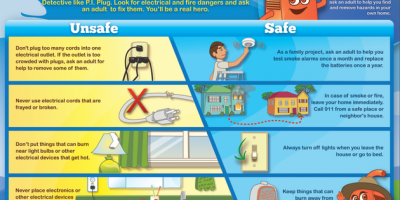
Low-Voltage Wiring Safety for Families with Kids
Ever tripped over a stray wire snaking across the hallway? Or worried about little fingers fiddling with the connections behind your entertainment center? As homes become increasingly reliant on technology, the amount of low-voltage wiring running through our walls and under our floors is growing exponentially. While it’s generally safer than standard household voltage, neglecting safety around these systems can still pose risks, especially for families with young children.
Low-voltage wiring powers everything from your smart home devices and security systems to your landscape lighting and home theater. Understanding the basics of these systems, from proper installation to regular maintenance, is crucial for ensuring a safe and functional home environment. This guide provides essential information and actionable steps you can take to protect your family and prevent potential hazards related to structured cabling in your home.
Understanding the Basics of Low-Voltage Systems
Low-voltage wiring is typically defined as any electrical circuit operating at 50 volts or less. This category includes a wide range of applications, such as: Networking: Internet cabling (Ethernet), phone lines. Security: Security system wiring for alarms, cameras, and doorbells. Home Automation: Smart home wiring for lighting controls, thermostats, and entertainment systems. Entertainment: Speaker wires, coaxial cables for TV. Outdoor Lighting:Landscape lighting.
While the lower voltage reduces the risk of electric shock compared to standard 120V or 240V circuits, it's still important to handle these systems with care. Damage to the wiring or improper connections can lead to short circuits, overheating, and even fire hazards. Furthermore, exposed wires can be a tripping hazard for children.
Key Safety Tips for Low-Voltage Wiring
Protecting your family from potential hazards associated with low-voltage wiring involves several proactive measures. Here are some crucial steps you can take:
1.Professional Installation is Paramount: Whenever possible, hire a qualified electrician or a certified low-voltage technician for installation and repairs. They have the expertise and tools to ensure the wiring is installed correctly and safely, adhering to all applicable codes and regulations. Trying to DIY complex structured cabling installations can be risky, especially if you're not familiar with electrical work.
2.Cable Management is Crucial: Keep wires organized and out of reach. Use cable ties, conduits, or raceways to bundle and conceal wires. This minimizes tripping hazards, prevents damage to the wiring, and makes it easier to identify and troubleshoot issues in the future. Proper cable management also prevents children from playing with or pulling on exposed wires.
3.Regular Inspections are Essential: Periodically inspect your low-voltage wiring for signs of damage, such as frayed insulation, exposed conductors, or loose connections. Pay particular attention to areas where wires are frequently moved or exposed to wear and tear. Early detection of problems can prevent more serious issues down the line.
4.Keep Wires Away from Water: Like any electrical system, low-voltage wiring should be kept away from water sources. Avoid running wires near sinks, bathtubs, or other areas where moisture is present. If you need to run wiring in damp locations, use weatherproof enclosures and connectors.
5.Use Childproof Outlets and Covers: Consider using tamper-resistant outlets and cord covers to prevent children from accessing or tampering with low-voltage connections. These devices add an extra layer of protection and help to minimize the risk of electric shock.
6.Unplug Before Working: Always disconnect the power supply before working on any low-voltage wiring. Even though the voltage is low, it's still possible to get a shock. Use a multimeter to verify that the circuit is de-energized before proceeding with any repairs or modifications.
7.Label Your Wires: Proper labeling makes troubleshooting and future modifications much easier. Use a labeling machine or write clearly on cable tags to identify the purpose of each wire. This will save you time and frustration when you need to trace circuits or make changes to your system.
8.Secure Outdoor Wiring: Landscape lighting and other outdoor low-voltage systems should be properly installed and secured to prevent damage from weather, animals, or accidental contact. Use weatherproof connectors and bury wires to the appropriate depth, following local codes and regulations.
Troubleshooting Common Issues
Even with proper installation and maintenance, problems can sometimes arise with low-voltage wiring. Here are some common issues and how to address them: Connectivity Problems: If your internet connection is unstable or your smart home devices are not responding, check the network wiring for loose connections or damage. Use a cable tester to verify the integrity of the cables. Dim or Flickering Lights: This could indicate a problem with the power supply or the wiring to your landscape lighting. Check the voltage at the light fixture and inspect the wiring for corrosion or loose connections. Security System Malfunctions: If your security system is not working correctly, check the wiring to the sensors, cameras, and control panel. Make sure all connections are secure and that the power supply is functioning properly. Audio/Visual Issues: For home theater systems, problems with sound or picture quality could be due to faulty speaker wires or coaxial cables. Check the connections and replace any damaged cables.
Advanced Safety Measures
Beyond the basic tips, consider these additional safety measures for enhanced protection: Ground Fault Circuit Interrupters (GFCIs): While primarily associated with high-voltage circuits, GFCIs can also be used in some low-voltage applications, particularly in wet locations. They quickly shut off power if a ground fault is detected, preventing electric shock. Surge Protection: Protect your sensitive electronic equipment from power surges by installing surge protectors on your low-voltage circuits. This is especially important for smart home systems and security systems. Regular Professional Inspections:Schedule periodic inspections by a qualified electrician or low-voltage technician to identify potential problems before they become serious. This is a good way to ensure that your wiring is safe and up to code.
Understanding Low-Voltage Wiring in Home Security
Security wiring deserves special attention due to its vital role in protecting your home and family. Improperly installed or maintained security system wiring can lead to malfunctions, false alarms, or even complete system failure.
Tamper Resistance: Security system wiring should be tamper-resistant to prevent intruders from disabling the system. Use concealed wiring methods and tamper-proof enclosures for critical components. Backup Power: Consider installing a backup power supply for your security system to ensure it continues to function during power outages. Professional Monitoring:If you have a professionally monitored security system, ensure that the wiring is properly connected to the monitoring center and that the system is regularly tested.
People Also Ask
Can I use regular electrical tape for low-voltage wiring? While electrical tape can be used in some cases, it's generally recommended to use heat-shrink tubing or wire connectors specifically designed for low-voltage applications. These provide a more secure and reliable connection. Is it safe to run low-voltage wiring next to high-voltage wiring? It's generally not recommended to run low-voltage and high-voltage wiring in the same conduit or raceway. This can cause interference and potentially damage the low-voltage wiring. Keep them separated by a safe distance, following electrical codes. How often should I inspect my low-voltage wiring? A visual inspection should be done at least every six months. More thorough inspections by a qualified professional should be done every 2-3 years, or sooner if you notice any signs of problems.
A Safer Home, One Wire at a Time
Taking the time to understand and address the safety aspects of low-voltage wiring in your home is a worthwhile investment. By following these tips and best practices, you can create a safer and more secure environment for your family. Remember, when in doubt, consult with a qualified electrician or low-voltage technician. Their expertise can help you ensure that your systems are installed and maintained correctly, providing peace of mind knowing that your home and family are protected. You've got this! With a little knowledge and attention to detail, you can confidently manage your home's low-voltage systems and enjoy the benefits of a connected, safe, and secure living space.
Posting Komentar untuk "Low-Voltage Wiring Safety for Families with Kids"