Low-Voltage Wiring Codes Every Homeowner Should Follow
Low-Voltage Wiring Codes Every Homeowner Should Follow
Ever wondered if that tangled mess of wires behind your entertainment center is actually safe? Or if the way you've wired your smart home is up to code? Many homeowners think electrical codes only apply to high-voltage systems, but low-voltage applications also have rules designed to protect you and your property. Ignoring these regulations can lead to safety hazards, system malfunctions, and even void your insurance.
Understanding the regulations for low-voltage wiring is crucial for any homeowner tackling DIY projects, planning a smart home upgrade, or even just wanting to ensure their existing systems are safe and compliant. This guide will break down the essential codes and best practices, empowering you to make informed decisions and protect your home. We'll cover everything from internet cabling and security wiring to landscape lighting, providing practical tips and advice every step of the way.
Why Low-Voltage Wiring Matters
Low-voltage wiring, while not carrying the same immediate shock risk as standard household circuits, is still a significant part of your home's electrical infrastructure. It powers a wide range of devices, including: Security systems: Alarm systems, security cameras, and doorbells. Smart home systems: Lighting controls, thermostats, and entertainment systems. Network infrastructure: Internet cabling, phone lines, and cable TV. Landscape lighting: Outdoor lighting fixtures and timers. Audio/Visual equipment:Speakers, projectors, and home theater setups.
Improper installation or substandard materials can lead to several problems: Fire hazards: Overheating, short circuits, and electrical fires, even at low voltage. System malfunctions: Poor signal quality, intermittent connectivity, and device failures. Safety risks: Tripping hazards, damaged equipment, and potential for electrical shock (especially in wet locations). Code violations: Leading to fines, insurance issues, and potential safety hazards during home inspections.
By understanding the relevant codes and following best practices, you can avoid these issues and ensure your low-voltage systems are safe, reliable, and compliant.
Key Low-Voltage Wiring Codes and Best Practices
Navigating the world of electrical codes can seem daunting, but focusing on the most relevant aspects for homeowners can simplify the process. Here's a breakdown of essential codes and best practices for common low-voltage applications. Remember to always consult your local building codes for specific requirements in your area.
1. General Wiring Practices
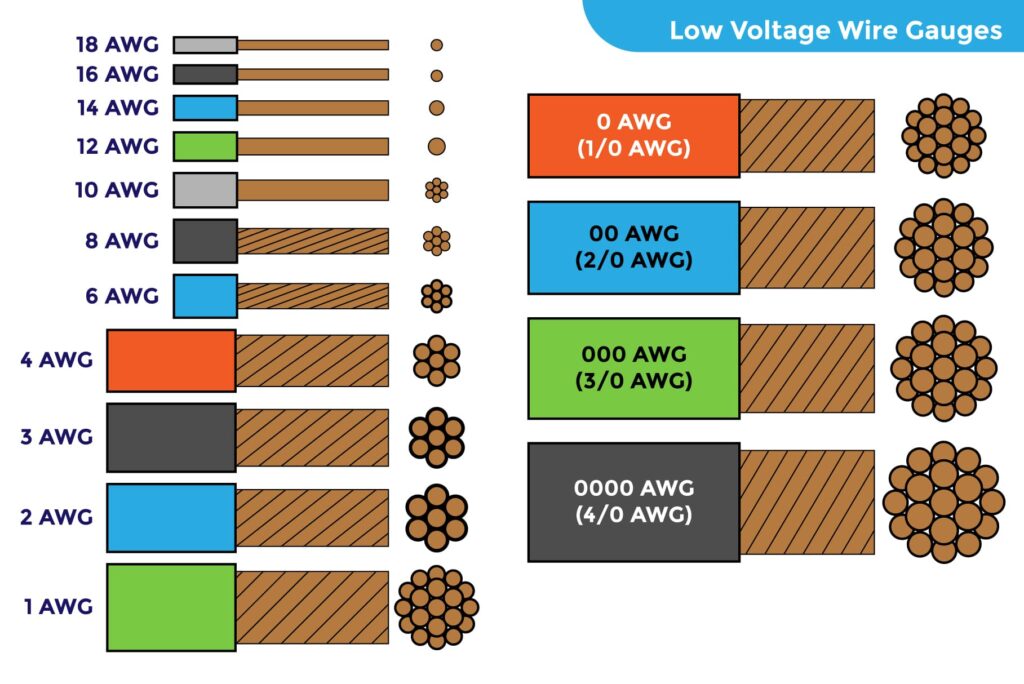
Cable Types: Use the correct type of cable for the application. For example, CAT5e or CAT6 cable for internet cabling, CL2 or CL3 rated cable for in-wall speaker wiring, and low-voltage landscape lighting cable for outdoor fixtures. Using the wrong cable can create fire hazards or signal degradation. Wire Gauge: Choose the appropriate wire gauge based on the current draw and the distance of the run. Longer runs require thicker wires to minimize voltage drop. Consult a voltage drop calculator to determine the correct gauge for your specific application. Secure Fastening: Securely fasten all cables to studs or joists using cable staples or straps. This prevents the cables from dangling, becoming damaged, or posing a tripping hazard. Avoid over-tightening the staples, which can damage the cable insulation. Proper Connections: Use approved connectors and terminals for all wiring connections. Ensure connections are tight and secure to prevent loose wires, which can cause arcing and overheating. Labeling:Label all cables clearly to identify their purpose. This makes troubleshooting and future modifications much easier. Use a label maker or write legibly with a permanent marker.
2. Internet Cabling (CAT5e/CAT6)
Bend Radius: Avoid sharp bends in the cable, as this can damage the wires and degrade signal quality. Maintain a minimum bend radius of at least four times the cable diameter. Proximity to Power Lines: Keep network wiring away from power lines and other sources of electromagnetic interference (EMI). Run network cables perpendicular to power lines to minimize interference. Termination: Terminate cables using the correct RJ45 connectors and a crimping tool. Ensure all eight wires are properly seated and connected to the connector. Testing: Test all network cable runs with a cable tester to ensure proper connectivity and signal quality. This helps identify any wiring errors or damaged cables.
3. Security System Wiring
Tamper Resistance: Conceal security system wiring where possible to prevent tampering. Use conduit or raceways to protect exposed wires. Low-Voltage Power Supply: Use a dedicated low-voltage power supply for your security system. Ensure the power supply is properly sized to handle the current draw of all connected devices. Battery Backup: Install a battery backup for your security system to ensure it continues to function during power outages. Wiring for Sensors: Follow the manufacturer's instructions for wiring door and window sensors, motion detectors, and other security devices.
4. Landscape Lighting
Direct Burial Cable: Use direct burial cable specifically designed for low-voltage landscape lighting. This type of cable is waterproof and resistant to damage from soil and moisture. Burial Depth: Bury landscape lighting cable at the recommended depth (typically 6-18 inches) to protect it from damage from lawnmowers and other equipment. Waterproof Connections: Use waterproof connectors and enclosures for all connections to landscape lighting fixtures. This prevents corrosion and electrical shorts. Transformer Placement: Locate the low-voltage transformer in a protected area, such as a garage or shed. Ensure the transformer is properly grounded.
5. Home Automation Wiring
Compatibility: Ensure all home automation devices and wiring are compatible with each other. Use a consistent wiring standard, such as Zigbee or Z-Wave. Centralized Wiring Panel: Consider using a centralized wiring panel for your home automation system. This makes it easier to manage and troubleshoot the wiring. Future-Proofing:Plan for future expansion when wiring your home automation system. Run extra cables to common locations to accommodate future devices.
6. Cable Management
Tidy Bundling: Neatly bundle and organize cables using cable ties, zip ties, or Velcro straps. This prevents tangling and makes it easier to trace cables. Avoid Over-Tightening: Avoid over-tightening cable ties, which can damage the cable insulation. Concealing Cables:Conceal cables behind walls, in ceilings, or in cable raceways to improve the aesthetics of your home.
Troubleshooting Common Low-Voltage Wiring Issues
Even with careful planning and installation, problems can arise with low-voltage wiring. Here's how to troubleshoot some common issues: No Internet Connection: Check the cable connections at both ends of the cable. Use a cable tester to verify the cable is properly wired. If the cable is damaged, replace it. Security System Malfunctions: Check the power supply and battery backup. Inspect the wiring for damage or loose connections. Consult the security system manual for troubleshooting tips. Landscape Lighting Problems: Check the transformer and wiring connections. Replace any burned-out bulbs. Ensure the cable is buried at the correct depth. Interference: Try rerouting cables away from power lines or other sources of EMI. Use shielded cables to reduce interference.
People Also Ask
Is it safe to DIY low-voltage wiring?
While low-voltage wiring carries less risk than standard household voltage, it's still essential to follow safety precautions. If you're uncomfortable working with electrical wiring, it's always best to hire a qualified electrician. Always turn off the power to the circuit before working on any wiring.
What's the difference between CL2 and CL3 rated cables?
CL2 and CL3 are ratings for cables used in in-wall applications. CL2 cables are suitable for general use, while CL3 cables are designed for higher voltage applications and are often used for speaker wiring.
How do I find local electrical codes?
You can typically find local electrical codes on your city or county government's website. You can also consult with a local electrician or building inspector.
Safety First: Important Precautions
Working with electrical wiring, even low voltage, requires caution. Here are some essential safety tips: Always disconnect the power: Turn off the circuit breaker or disconnect the power supply before working on any wiring. Use insulated tools: Use tools with insulated handles to protect yourself from electrical shock. Wear safety glasses: Protect your eyes from debris and sparks. Follow manufacturer's instructions: Always follow the manufacturer's instructions for installing and using electrical devices. Inspect wiring regularly: Regularly inspect wiring for damage or wear and tear. Replace any damaged wiring immediately. When in doubt, consult a professional: If you're unsure about any aspect of low-voltage wiring, consult a qualified electrician.
Enjoy the Benefits of Safe and Compliant Low-Voltage Systems
Understanding and adhering to low-voltage wiring codes might seem like a chore, but it's an investment in the safety, functionality, and longevity of your home. By taking the time to learn the basics and follow best practices, you can ensure your internet cabling, security wiring, landscape lighting, and other low-voltage systems operate reliably and safely for years to come. You'll have the peace of mind knowing that you've created a secure and well-connected home for yourself and your family. And remember, when in doubt, don't hesitate to call in a qualified electrician for expert advice and assistance.
Posting Komentar untuk "Low-Voltage Wiring Codes Every Homeowner Should Follow"